Are Leaf Hanging Lights Energy-Efficient?
As energy-saving and environmentally responsible living become more important, many homeowners are shifting towards lighting solutions that combine style with sustainability. One standout in this movement is Leaf Hanging Lights, which are not only decorative but also designed to bring a natural and calming atmosphere into indoor and outdoor spaces. Their distinctive leaf-inspired design and soft glow make them a popular choice for homes, events, and gardens. But aesthetics aside, how efficient are these lights? In this article, we’ll explore their energy efficiency, lighting technology, material choices, and why they might be a wonderful eco-conscious option for your space.

What Are Leaf-Style Hanging Lights?
Design and Aesthetic Purpose
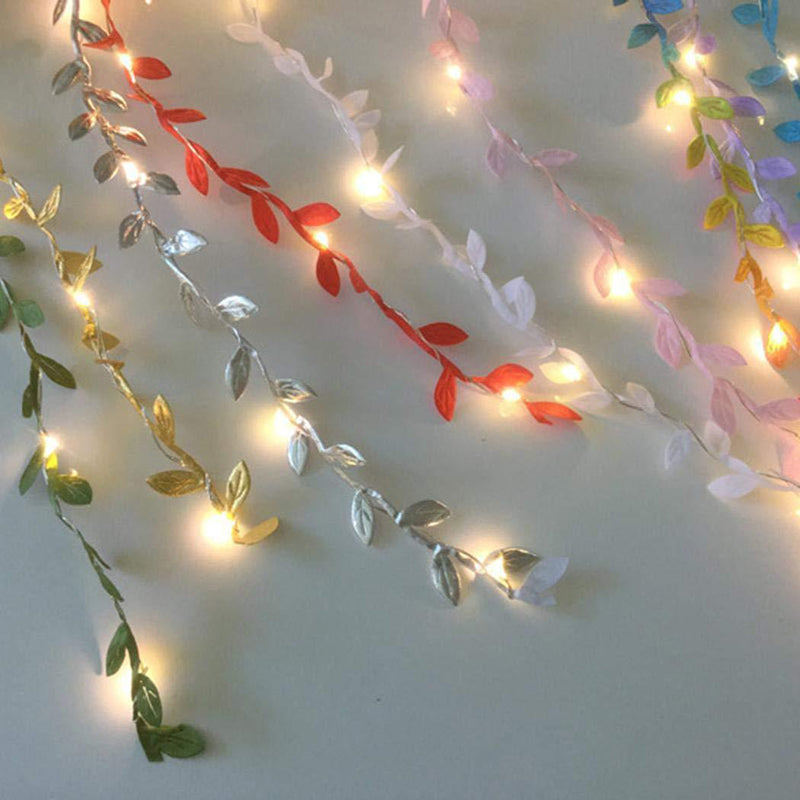
These lighting fixtures are characterised by designs that resemble cascading leaves, vines, or botanical elements. They often use a branch-like structure that supports leaf-shaped covers, each hiding a light source. This makes them perfect for nature-themed decor or soft, mood-enhancing lighting.
From chandeliers to pendant lights and string formats, this style is incredibly versatile. They’re available in a variety of materials like metal, plastic, glass, and even bamboo, offering endless options to match different home interiors or outdoor settings.
Where They’re Commonly Used
They’re ideal for bedrooms, living rooms, patios, wedding events, or garden spaces—anywhere a warm, inviting glow is desired. Because of their organic design, they’re often used to bring a touch of nature indoors, acting as both functional lighting and decorative art.
Energy Efficiency of Modern Lighting
LED Integration
Many modern lighting products today, including these botanical-inspired options, use LED (light-emitting diode) technology. LEDs are known for their low energy consumption and long operational life, making them far more efficient than traditional incandescent or halogen bulbs. A typical LED bulb uses up to 80% less energy while delivering the same, if not better, brightness.
Lower Heat Emission
Another benefit of LED bulbs is that they emit minimal heat. This not only improves safety—especially when the lights are hung low or placed near walls—but also helps maintain room temperature, particularly during warmer months.
Durability and longevity.
Long Lifespan Equals Less Waste
LED-based hanging lights often last between 25,000 and 50,000 hours of use. This means fewer replacements, reduced landfill waste, and less frequent manufacturing impact on the environment. Their long lifespan makes them a cost-effective option for consumers in the long run.
Weather-Resistant Models for Outdoor Use
Some designs are made for year-round use outdoors and are built to withstand rain, wind, or heat. This further reduces the need for replacement or repair, reinforcing their sustainable value over time.
Eco-Conscious Materials and Features
Sustainable Construction
Manufacturers are increasingly using eco-friendly materials in the production of decorative lights. Options made from recycled metals, biodegradable plastics, or sustainably sourced bamboo are now widely available. This focus on green materials ensures that these lights support not only energy efficiency but also broader environmental sustainability.
Solar-Powered Alternatives
In addition to LED technology, solar-powered versions are now available. These use built-in panels to absorb sunlight during the day and automatically light up at night. They’re completely off-grid, consuming no electricity and requiring no wiring—making them a highly sustainable lighting option.
Smart Features for Energy Management
Timers and Motion Sensors
Some modern hanging lights come equipped with timers or motion sensors. This allows them to automatically turn off when not needed or operate only during specific hours. These features significantly reduce unnecessary energy consumption while offering convenience.
Remote-Controlled and Dimmable
Lights that offer dimming features or remote control capabilities allow users to adjust brightness based on time of day or mood. Using lower brightness settings conserves energy and extends the life of the LED components.
Cost Considerations and Long-Term Value
Higher Upfront, Lower Over time.
While eco-friendly lighting might come at a higher initial cost, it pays off over time through lower electricity bills and fewer replacements. Investing in energy-efficient lighting contributes to long-term financial savings and promotes responsible energy use.
Tax Benefits and Rebates
Some regions offer tax credits, rebates, or utility incentives for switching to energy-saving lighting. Choosing efficient models may make you eligible for such programmes, which helps reduce the initial purchase cost.
Versatility in Application
Indoor Elegance or Outdoor Charm
Thanks to their artistic nature, these lights work well in any setting. Indoors, they create soft lighting for reading corners, dining spaces, or bedrooms. Outdoors, they elevate garden paths, porches, or patio settings with their natural flair.
Year-Round Appeal
Although these lights are perfect for events and holidays, their design is subtle enough for everyday use. Unlike seasonal decor, these lights fit all times of the year, adding consistent charm and lighting utility without excess energy use.
Conclusion
To answer the question—Are Leaf Hanging Lights energy-efficient?—the answer is yes, especially when you choose LED or solar-powered versions. These lights not only enhance your decor but also align with sustainable living goals. With long-lasting components, low energy consumption, and eco-friendly designs, they represent a perfect harmony of beauty and responsibility. Whether you’re lighting a cosy bedroom nook or creating an inviting garden atmosphere, these lights are a smart and stylish way to illuminate your space while keeping your energy footprint small.
Comments
Join the discussionNo comments yet. Be the first to comment.